Augmented Reality

Artificial intelligence (AI) is transforming industries worldwide, and augmented reality (AR) is no exception. The fusion of AI and AR opens new doors for innovation, efficiency, and user engagement. One of the standout solutions in this space is the MultiSet AI platform, a powerful tool designed to enhance AR experiences through intelligent automation and data-driven insights. This blog post explores how the multiset platform in AR is revolutionizing the way businesses and developers create immersive, interactive environments.
The multiset platform in AR is a comprehensive solution that integrates AI capabilities with augmented reality applications. It enables developers to build smarter AR experiences that adapt to user behavior and environmental factors. Here’s what makes this platform a game-changer:
These features empower creators to deliver AR experiences that are not only visually impressive but also intelligent and responsive.

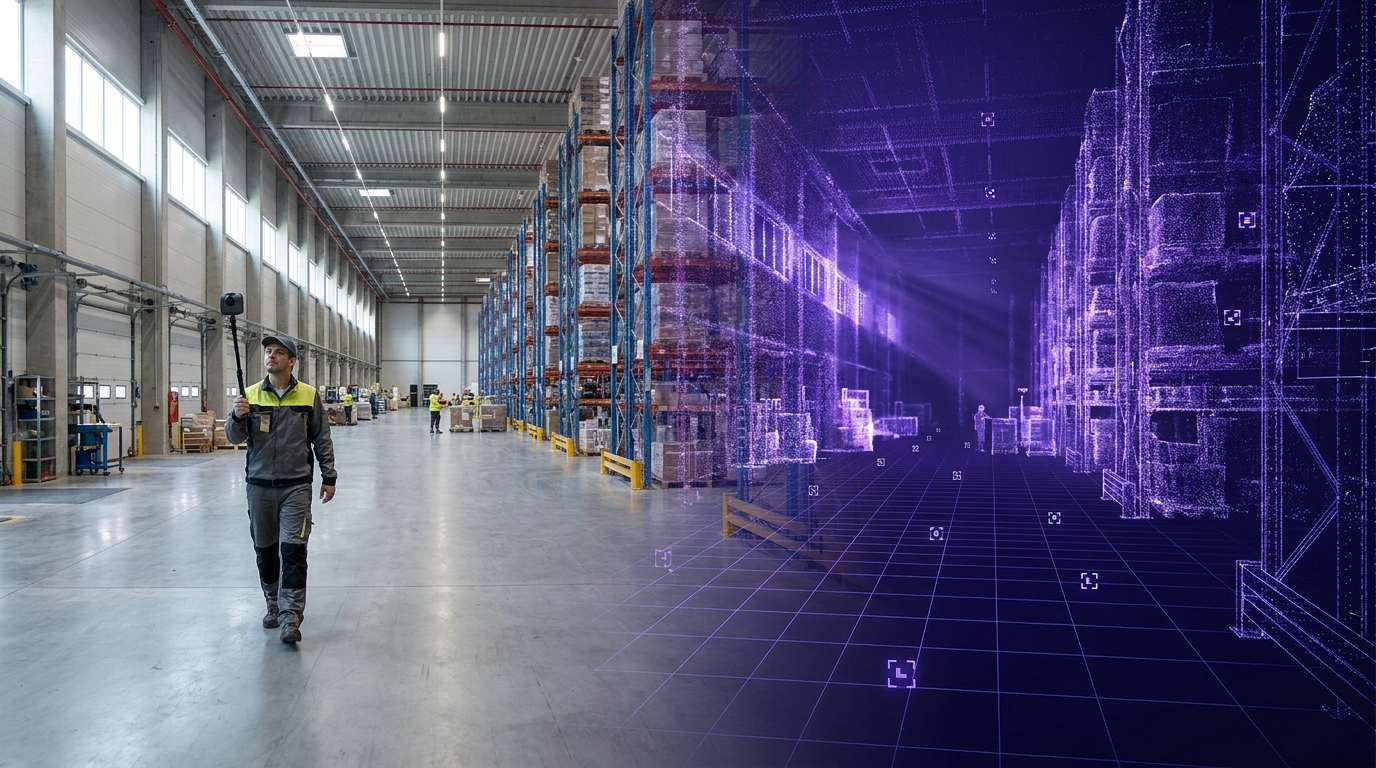
An AR workspace showcasing the integration of AI tools for enhanced productivity
The versatility of the multiset platform in AR means it can be applied across multiple sectors. Here are some practical examples:
Retail and E-commerce
Retailers can use the platform to create virtual try-on experiences, where customers see how clothes, accessories, or makeup look on them in real-time. AI-driven recommendations can suggest products based on user preferences and past behavior, increasing conversion rates.
Education and Training
Educational institutions and corporate trainers can develop interactive AR modules that adapt to the learner’s pace and style. For example, medical students can practice surgeries in a virtual environment that adjusts difficulty based on their performance.
Manufacturing and Maintenance
In industrial settings, the platform can provide AR overlays that guide workers through complex assembly or repair tasks. AI can detect errors or inefficiencies and offer corrective suggestions instantly.
Entertainment and Gaming
Game developers can create immersive worlds where AI characters respond intelligently to player actions, making gameplay more engaging and unpredictable.
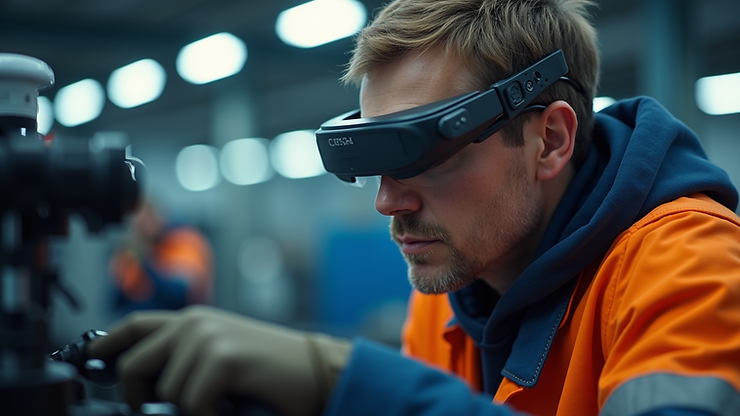
Technician guided by AR overlays for precise machine maintenance
Getting started with the multiset platform in AR involves a few key steps to ensure you maximize its potential:
By following this approach, you can reduce risks and ensure your AR project delivers real value.

Developer working on AR application development using AI tools
To fully harness the power of the multiset platform in AR, consider these best practices:
Implementing these strategies will help you create AR applications that are intelligent, efficient, and user-friendly.
The integration of AI and AR through platforms like the MultiSet AI platform is setting the stage for a new era of digital interaction. By automating content creation, enhancing contextual understanding, and enabling scalable solutions, this platform empowers creators to push the boundaries of what AR can achieve.
Whether you are in retail, education, manufacturing, or entertainment, embracing this technology can lead to more engaging, effective, and innovative experiences. The future of AR is intelligent, and the multiset platform is a key enabler on this exciting journey.