Press Release

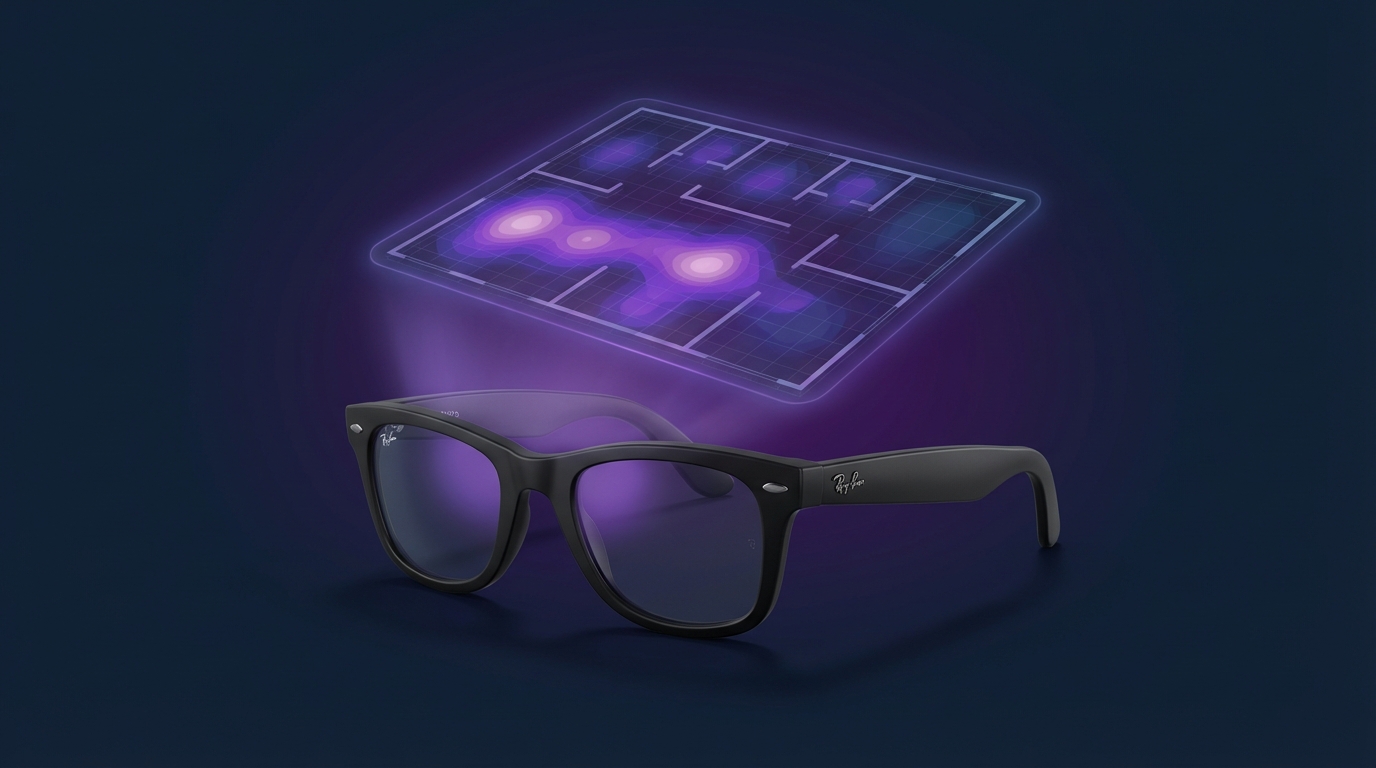
MultiSet AI, the enterprise visual positioning and spatial mapping platform, today released v1.11.1, bringing native VPS support for Meta Ray-Ban glasses, localization success heatmaps in the developer dashboard, new GeoHint query controls for large-scale deployments, and a significantly improved MapSet management experience.
This release advances MultiSet's cross-device VPS coverage to include always-on AI wearables and gives enterprise teams deeper operational visibility into how their deployments perform at the map level.
hintRadius parameter for VPS queries — allows developers to define the search radius around a provided GeoHint or HintPosition, enabling tighter, faster localization in large or geometrically complex deployments.use2DFiltering parameter — skips the altitude/height check when a GeoHint or HintPosition is provided, removing latency in multi-floor environments where elevation disambiguation is already handled at the application layer. See GeoHint in Localization for full parameter reference.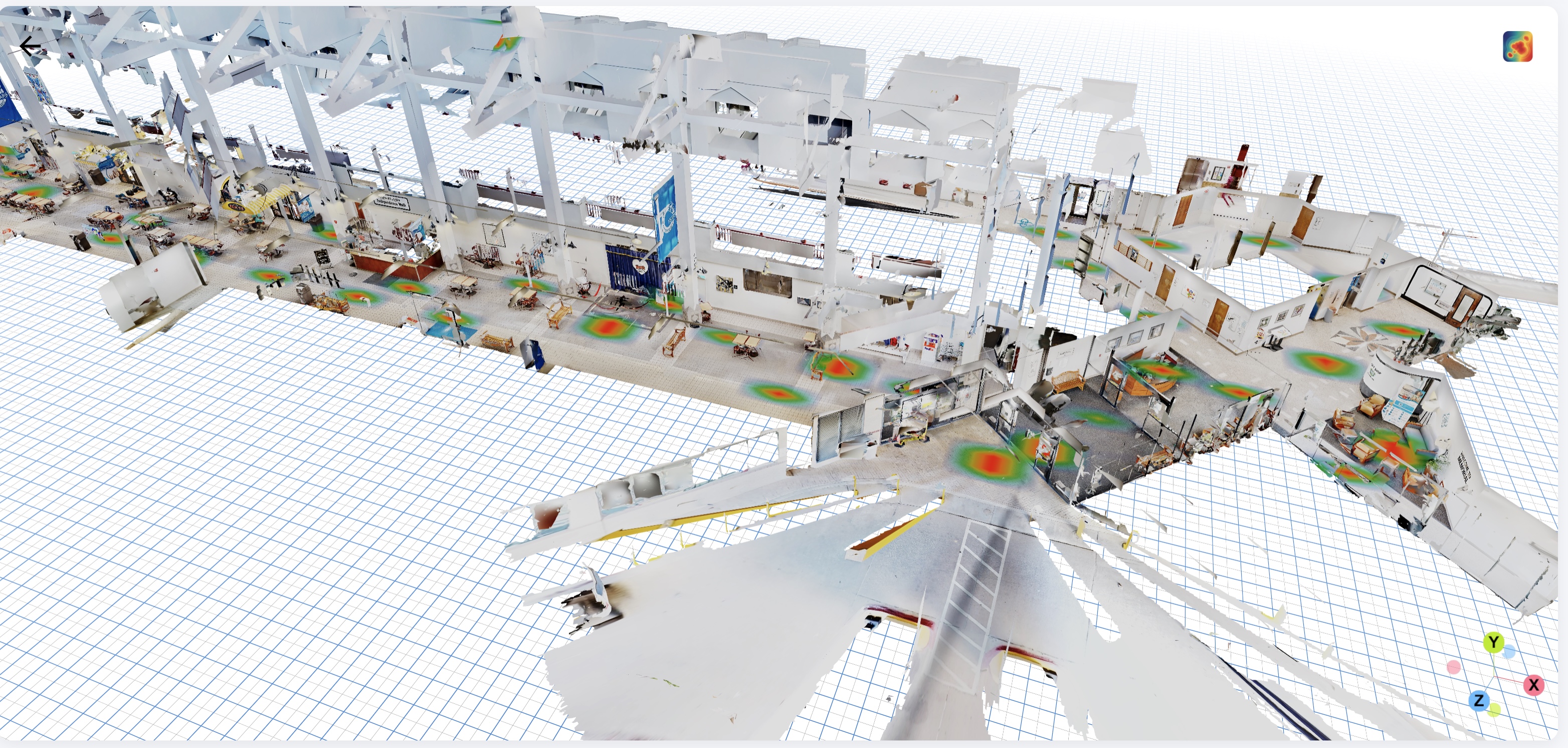
Wearable localization has been the question every serious Physical AI team is starting to ask, and the Meta Ray-Ban SDK sample gives developers a tested foundation to build from today, said Nikhil Sawlani, CEO and Co-Founder of MultiSet AI. The heatmaps and MapSet workflow improvements are what production deployments need once pilots scale — visibility into where localization is working and tools that match how teams actually manage environments at enterprise scale.
All features in v1.11.1 are available today across the MultiSet platform, SDKs, and developer dashboard. Developers can get started at developer.multiset.ai, access the wearable VPS samples on GitHub at github.com/MultiSet-AI/wearable-vps-samples, explore the full documentation, and watch tutorials on the MultiSet YouTube channel. Full changelog at docs.multiset.ai/quick-access/changelog.
About MultiSet AI
MultiSet AI is an enterprise visual positioning and spatial mapping platform that transforms physical spaces into precise, intelligent AR environments. The platform delivers 5 cm median accuracy, 6-DoF localization with low drift, and is designed for cross-platform deployment across Unity, native iOS and Android, WebXR, Meta Quest, Meta Ray-Ban, and ROS — enabling location-aware applications at industrial scale. MultiSet is scan-agnostic, supporting Matterport, NavVis, Leica, FARO, XGrids, iPhone LiDAR, CAD/BIM, and E57 formats, with deployment options spanning public cloud, private cloud, self-hosted, on-device, and air-gapped environments. Learn more at multiset.ai.