Press Release

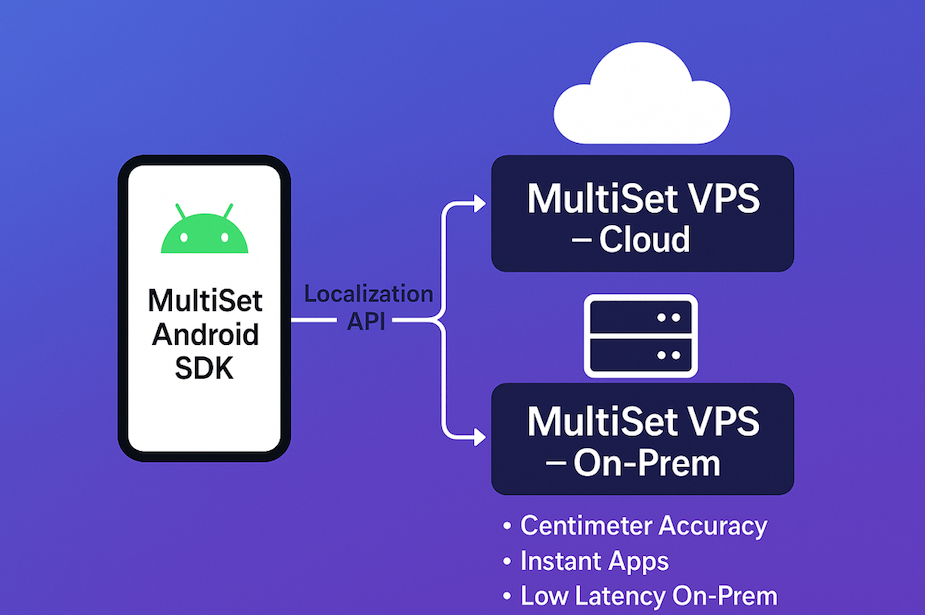
MultiSet releases Android Native SDK for our industry-leading Visual Positioning System (VPS), empowering Android developers with centimeter-level accurate spatial computing capabilities. This native Android implementation represents a significant leap forward in accessibility and performance. It features full support for Google Play Instant Apps to deliver friction-free AR experiences without requiring app installation.
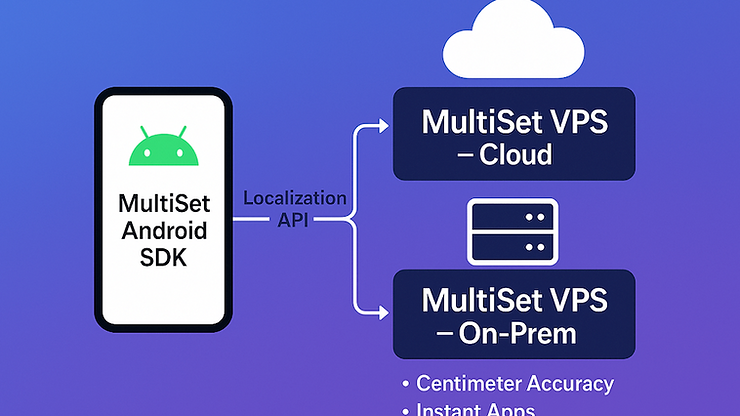
The new Android SDK has been architected specifically for the Android platform. It leverages Kotlin and modern development practices. This native-first approach delivers advantages that Android developers can immediately recognize:
The standout feature of MultiSet's Android SDK is its comprehensive support for Google Play Instant Apps. This integration transforms how users discover and interact with location-based AR content:
This capability transforms AR into an ambient computing layer accessible anywhere. Retail stores can offer virtual try-ons, museums can provide interactive guides, and venues can deliver wayfinding—all without requiring app installation.
Early adopters are deploying innovative solutions with the Android SDK. Here are some notable examples:
Major retailers are implementing in-store navigation with product visualization. Customers can find items and view them in their homes before purchase, all through Instant Apps triggered by in-store signage.
Municipalities are introducing AR wayfinding systems in public spaces. This provides instant access to directions, historical information, and city services without requiring citizens to download dedicated apps.
Manufacturing facilities use the SDK for maintenance procedures. Technicians access step-by-step AR instructions just by pointing their devices at the equipment.
Stadiums and concert halls offer interactive experiences, from seat finding to exclusive content, accessible instantly via QR codes on tickets.
To ensure rapid adoption, MultiSet provides comprehensive resources for developers:
The MultiSet Android Native SDK is available now for all developers. Visit our developer portal to access your API credentials and download the SDK. Whether you're building the next generation of retail experiences, crafting innovative wayfinding solutions, or exploring new AR possibilities, MultiSet's VPS platform provides the perfect foundation for truly spatial applications.
Stay ahead in the rapidly evolving AR space with the MultiSet Android SDK. Explore its capabilities and start creating unique experiences today. Don’t miss out on the future of spatial computing!