Augmented Reality

LiDAR, or Light Detection and Ranging, is revolutionizing the way we perceive our surroundings. With its ability to generate highly accurate 3D models of environments, this technology is becoming crucial for various applications, notably in navigation. From autonomous vehicles to advanced robotics, the integration of LiDAR provides a significant advantage. This blog post will explore how LiDAR image fusion enhances navigation, the factors contributing to its cost, practical applications, and future trends in navigation and mapping technologies.
The integration of LiDAR systems in navigation technologies has fundamentally changed our approach to mapping and locating objects. Unlike conventional GPS, which can falter in complex environments, LiDAR provides precise spatial data. This is achieved by emitting laser pulses and measuring the time it takes for them to return. The result is a detailed representation of the scanned area.
For instance, autonomous vehicles rely heavily on LiDAR to navigate through urban streets. With continuous scanning, these vehicles can detect obstacles, other vehicles, and pedestrians in real-time. In fact, studies show that vehicles equipped with LiDAR can identify objects with a 98% accuracy rate, making them safer and more efficient.

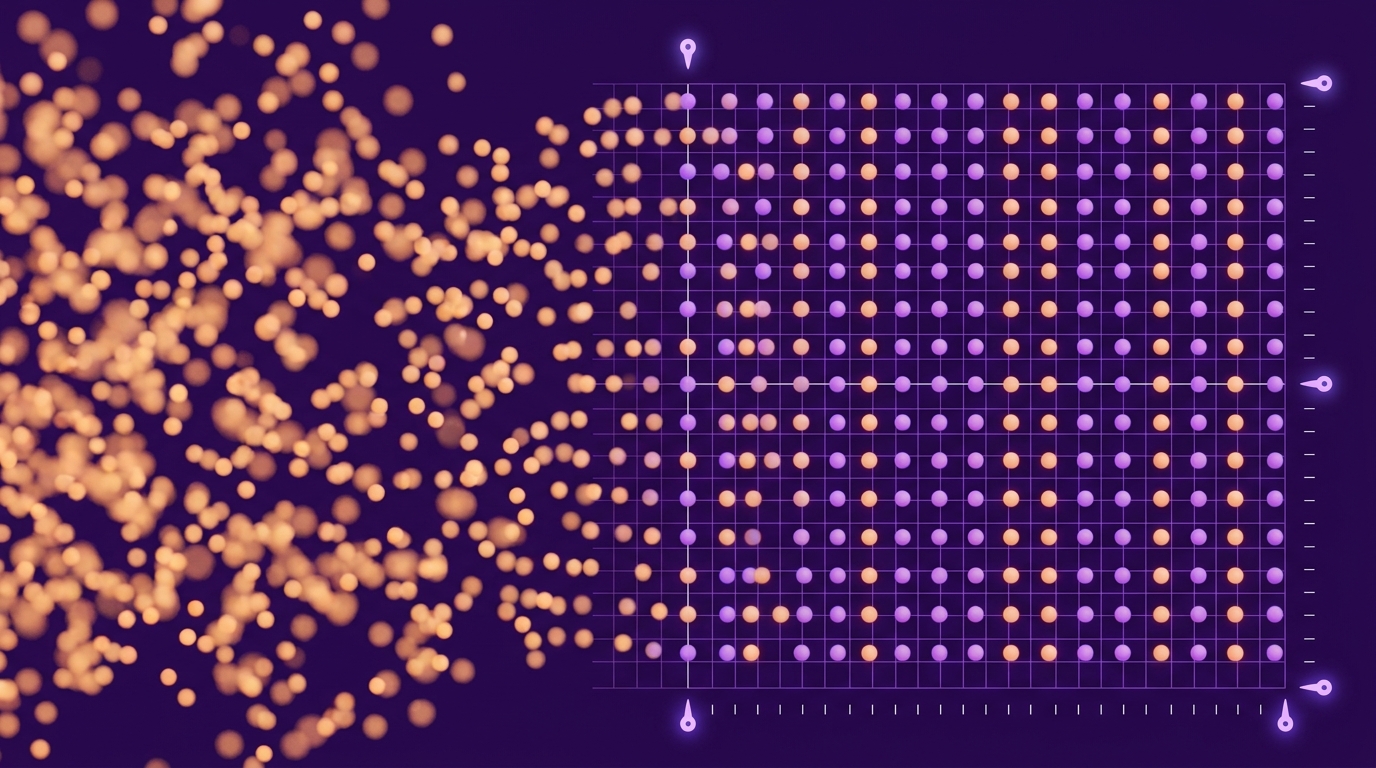
One of the critical advancements in LiDAR technology is the process of LiDAR image fusion. By combining LiDAR data with other data sources, such as photogrammetry from cameras, the resulting data set becomes more comprehensive and accurate. This synergy enables a more detailed understanding of the environment, facilitating decisions based on high-fidelity data.
For example, a LiDAR point cloud combined with RGB imagery creates a rich dataset that allows for visual recognition of obstacles. This dual-layering of information not only enhances safety but also assists in the effective planning of routes. Whether for urban navigation or rural exploration, the clarity provided by LiDAR image fusion has become invaluable.

LiDAR technology has gained immense popularity, but many still grapple with the question: why is LiDAR so expensive? To answer this, we need to consider various factors contributing to the costs.
For these reasons, while LiDAR systems can be costly, their benefits often outweigh the expenses, especially in fields like urban planning, forestry, and autonomous navigation.

The applications of LiDAR technology in navigation are vast and varied. Here are some notable implementations:
By continuously delivering accurate spatial data, LiDAR has proven indispensable in the realm of navigation.
As technology advances, the future of LiDAR looks bright. Here are a few trends that will likely shape its evolution:

With its high precision and diverse applications, LiDAR is at the forefront of transforming navigation technologies. The integration of LiDAR systems into different domains showcases their adaptability and reliability. As we embrace innovations like the fusion of LiDAR imagery with other data sources, the accuracy and usefulness of navigation systems will only continue to grow.
The journey of LiDAR in navigation is just beginning. Engaging with this technology not only enhances our navigation capabilities today but also paves the way for future advancements. As we look ahead, it is clear that investing in and adopting LiDAR technologies is essential for staying at the cutting edge of navigation solutions.
For more in-depth insights into the benefits and intricacies of LiDAR image fusion, check out our additional resources!