
top of page

Transforming Warehouse Training with AR

Warehouse operations are evolving rapidly, and so is the way employees are trained. Traditional training methods often fall short in preparing workers for the fast-paced, complex environment of modern warehouses. Augmented Reality (AR) is emerging as a game-changer, offering immersive, interactive, and efficient training solutions. This article explores how AR is transforming warehouse training, making it more effective and engaging.


The Rise of AR training for warehouses


Warehouse training has traditionally relied on manuals, videos, and on-the-job shadowing. These methods can be time-consuming, inconsistent, and sometimes unsafe. AR training for warehouses introduces a new dimension by overlaying digital information onto the physical environment. This technology allows trainees to learn by doing, with real-time guidance and feedback.


For example, a new employee can wear AR glasses that highlight the correct items to pick, show optimal routes through the warehouse, or demonstrate how to operate machinery safely. This hands-on approach reduces errors and accelerates learning.


Benefits of AR training for warehouses include:


  • Increased retention: Interactive learning helps employees remember procedures better.

  • Reduced training time: Visual and practical instructions speed up skill acquisition.

  • Enhanced safety: Simulated scenarios prepare workers for hazardous situations without risk.

  • Cost savings: Less need for physical trainers and fewer mistakes lower operational costs.


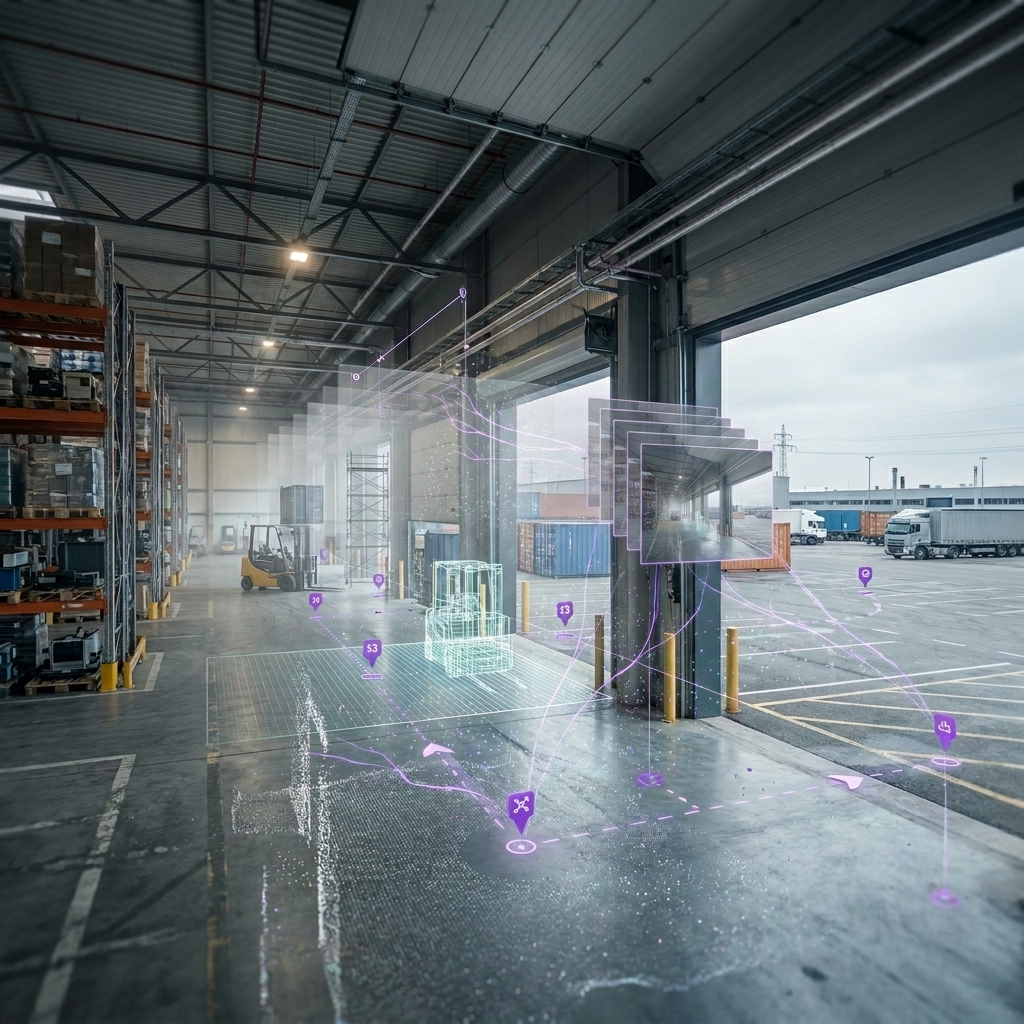
Eye-level view of warehouse aisle with AR navigation highlights
AR navigation in warehouse aisle

What is AR in a warehouse?


Augmented Reality in a warehouse context means integrating digital elements into the physical workspace to assist workers. This can be through AR glasses, tablets, or smartphones that display information such as inventory data, picking instructions, or safety alerts.


AR systems use sensors and cameras to understand the environment and provide context-aware assistance. For instance, when a worker looks at a pallet, the AR device can show its contents, destination, or handling instructions.


This technology bridges the gap between theoretical knowledge and practical application, making training more intuitive and effective.


Key components of AR in warehouses:


  1. Hardware: AR headsets, smart glasses, or mobile devices.

  2. Software: Applications that deliver interactive content and track progress.

  3. Connectivity: Integration with warehouse management systems (WMS) for real-time data.


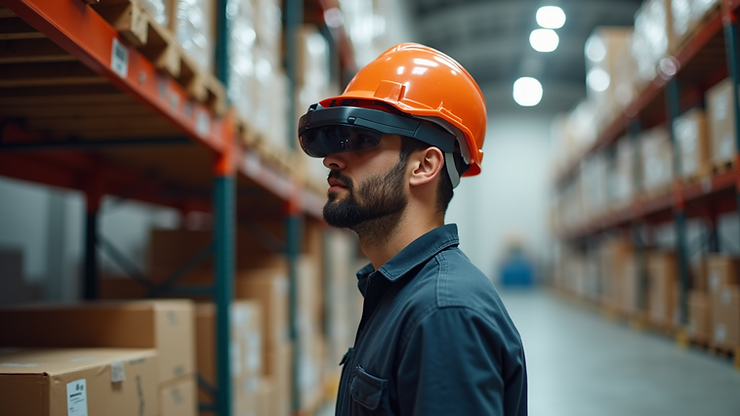
Close-up view of AR headset displaying warehouse inventory details
AR headset showing inventory information

Practical applications of AR in warehouse training


AR is not just a futuristic concept; it is already being used in various warehouse training scenarios. Here are some practical examples:


  • Picking and packing: AR guides workers to the exact location of items, reducing search time and errors.

  • Equipment operation: Trainees can practice using forklifts or conveyor belts in a virtual environment before handling real machines.

  • Safety drills: Simulated emergency situations help employees learn evacuation routes and safety protocols.

  • Maintenance training: AR overlays can show step-by-step repair instructions on machinery, improving troubleshooting skills.


To implement AR training effectively, warehouses should:

  • Start with pilot programs focusing on high-impact areas.

  • Collaborate with AR solution providers to customize content.

  • Train supervisors to support and monitor AR-based learning.

  • Collect feedback to continuously improve the training experience.


High angle view of warehouse worker using AR glasses for picking tasks
Worker using AR glasses for picking in warehouse

How to integrate AR into your warehouse training program


Integrating AR into warehouse training requires careful planning and execution. Here are actionable steps to get started:


  1. Assess training needs: Identify areas where traditional methods are lacking or inefficient.

  2. Choose the right AR technology: Select hardware and software that fit your warehouse environment and budget.

  3. Develop customized content: Work with experts to create training modules tailored to your operations.

  4. Pilot and evaluate: Test the AR training with a small group, gather data on performance improvements, and adjust accordingly.

  5. Scale up: Roll out the program across the warehouse, ensuring all employees have access and support.

  6. Measure impact: Track key metrics such as training time, error rates, and safety incidents to quantify benefits.


By following these steps, warehouses can maximize the return on investment in AR training.


The future of warehouse training with AR


The potential of AR in warehouse training is vast and still expanding. As technology advances, we can expect even more sophisticated applications, such as:


  • AI-powered personalized training: Adaptive learning paths based on individual progress and skill gaps.

  • Remote expert assistance: Real-time support from specialists through AR devices.

  • Integration with robotics: Coordinated training for human-robot collaboration.

  • Gamification: Engaging training experiences that motivate employees through challenges and rewards.


Embracing AR technology today prepares warehouses for a future where training is continuous, immersive, and highly effective.


For those interested in exploring this innovative approach, AR warehouse training offers a practical and proven solution to transform workforce development.


By adopting AR in warehouse training, businesses can enhance productivity, improve safety, and reduce costs. The shift from traditional methods to immersive, technology-driven learning is not just a trend but a strategic move towards operational excellence.


Comments


bottom of page