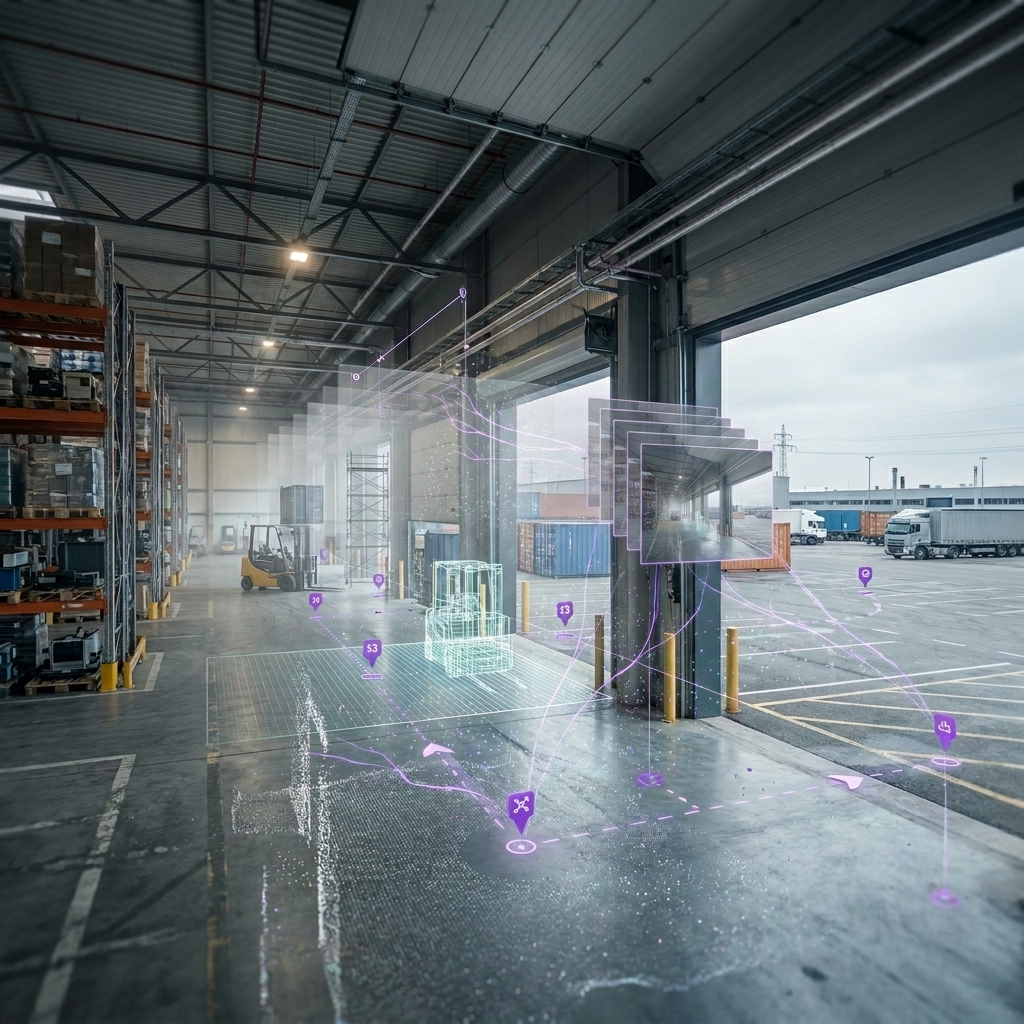
Augmented Reality

In today’s fast-paced business environment, managing assets efficiently is crucial for operational success. Companies often face challenges such as misplaced equipment, inefficient inventory tracking, and delayed maintenance schedules. These issues can lead to increased costs and reduced productivity. Fortunately, advancements in technology have introduced innovative solutions to tackle these problems. One such solution is augmented reality (AR) asset management, which is transforming how businesses track and manage their assets.
AR asset management combines augmented reality technology with asset tracking systems to provide a real-time, interactive view of physical assets. This technology overlays digital information onto the physical world, allowing users to visualize asset data through AR devices such as smart glasses or mobile apps.
Key benefits of AR asset management include:
For example, a manufacturing plant using AR asset management can instantly locate machinery parts and view maintenance history by simply pointing a device at the equipment. This eliminates the need for paper records and manual checks, speeding up workflows significantly.

Integrating AR into asset management transforms traditional workflows by making asset data more accessible and actionable. Here’s how it enhances operations:
1. Simplified Asset Identification
With AR, employees can identify assets through visual markers or GPS coordinates displayed on their AR devices. This reduces time spent searching for tools or equipment, especially in large facilities.
2. Streamlined Inventory Management
AR can automate inventory counts by scanning assets and updating records in real time. This minimizes discrepancies and ensures accurate stock levels.
3. Guided Maintenance and Repairs
Technicians receive step-by-step AR instructions overlaid on the equipment, helping them perform maintenance tasks correctly and efficiently. This reduces errors and speeds up repair times.
4. Enhanced Training
New employees can use AR to learn about assets and procedures interactively, improving knowledge retention and reducing training time.
5. Remote Assistance
Experts can provide remote support by viewing the AR feed from on-site workers, enabling faster problem resolution without the need for travel.
By adopting AR asset management, companies can optimize their workflows, reduce operational bottlenecks, and improve overall productivity.
AR asset management is versatile and can be applied in various sectors to solve unique challenges:
Manufacturing
Factories use AR to track machinery, monitor production lines, and schedule preventive maintenance. This reduces downtime and extends equipment lifespan.
Healthcare
Hospitals manage medical devices and supplies with AR, ensuring critical equipment is available and properly maintained.
Logistics and Warehousing
AR helps warehouse staff locate inventory quickly, manage stock levels, and optimize space utilization.
Construction
Construction sites use AR to track tools and materials, improving site safety and reducing theft or loss.
Energy and Utilities
Field workers access AR-guided instructions for equipment inspections and repairs, enhancing safety and efficiency.
These examples demonstrate how AR asset management can be tailored to meet the specific needs of different industries, driving operational excellence.

To successfully implement AR asset management, businesses should follow these practical steps:
By following these recommendations, organizations can minimize implementation risks and achieve a successful transition to AR-enhanced asset management.
The future of AR asset management looks promising with ongoing technological advancements. Some emerging trends include:
These trends will further streamline operations, reduce costs, and enhance decision-making capabilities for businesses adopting AR asset management.
Adopting AR asset tracking technology is no longer a futuristic concept but a practical solution for modern businesses aiming to optimize their operations. By leveraging AR asset management, companies can gain real-time visibility into their assets, improve workflow efficiency, and reduce operational costs.
Whether you operate in manufacturing, healthcare, logistics, or any other sector, integrating AR into your asset management strategy can provide a significant competitive advantage. Start exploring AR solutions today to transform your asset management processes and drive your business forward.