Augmented Reality

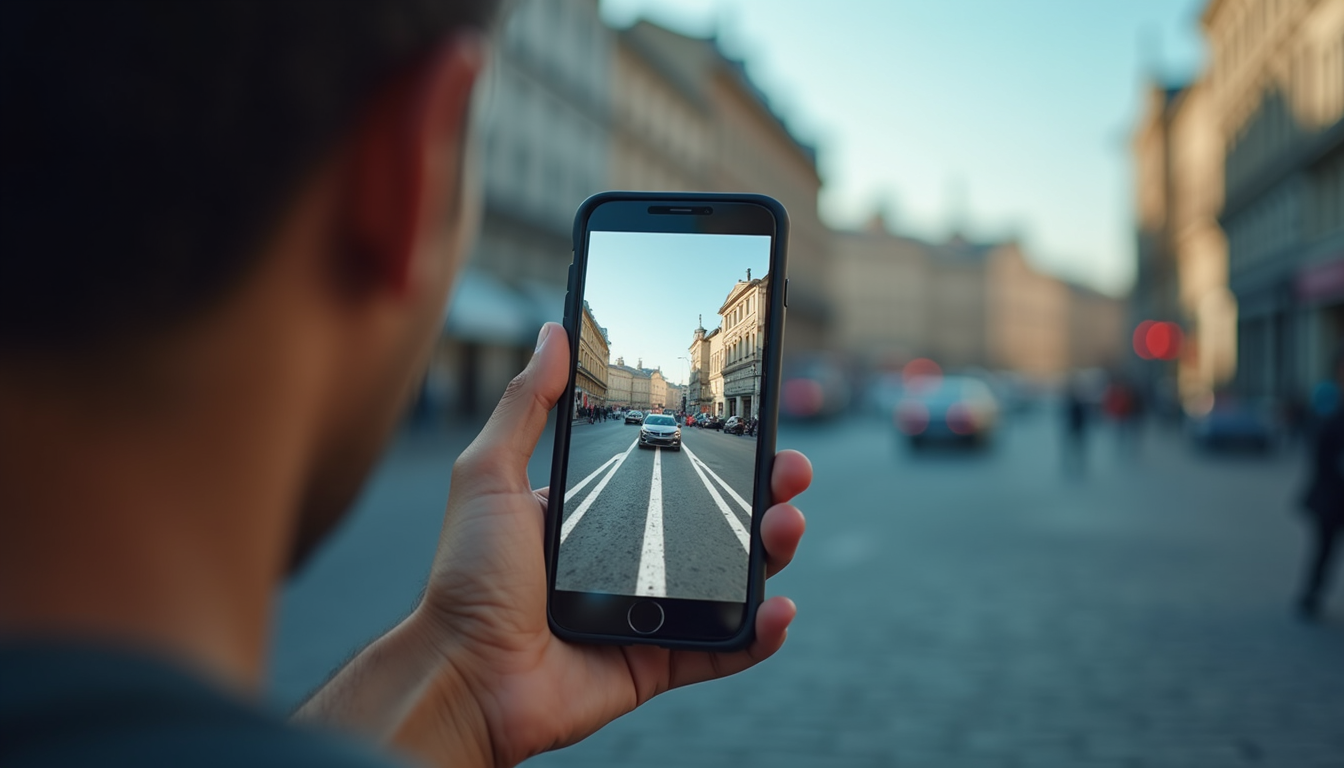
Augmented Reality (AR) is transforming the way we interact with our environment, and one of its most promising applications is in localization. AR-based localization combines real-world data with digital overlays to provide accurate location information, making navigation and interaction more seamless. This post explores how AR is enhancing localization, the technology behind it, and its practical applications.
AR-based localization refers to the technology that uses augmented reality to provide precise location-based information. Traditional navigation systems often rely on GPS, which can be inaccurate in urban environments due to signal interference. AR enhances this by overlaying digital information onto the physical world, allowing users to see not just where they are, but also what is around them.
For instance, imagine walking through a bustling city and using your smartphone. With AR-based localization, you can point your camera at a building and receive instant information about it: its history, hours of operation, or even special events happening nearby. This interactive experience can make exploring new places much more engaging and informative.
At the core of AR-based localization is a blend of technologies, including computer vision, simultaneous localization and mapping (SLAM), and sensor fusion.
These technologies work in tandem to ensure that AR-based localization is not only accurate but also responsive. As users move, the system updates in real time, providing a fluid and intuitive experience.
Yes, Google Maps has integrated augmented reality features to enhance its navigation capabilities. The AR mode, known as Live View, utilizes the camera on your smartphone to show directions overlaid onto the real-world environment.
When using Live View, users can point their phones ahead and see arrows appearing on the screen, guiding them to their destination. This visual guidance can be particularly useful in complex areas where traditional arrows on a map may be confusing.

The integration of AR into Google Maps is only one example of how location technology is evolving. By using visual elements to guide users, Google enhances the navigation experience, making it easier to find your way in new places.
The uses of AR-based localization extend beyond just navigation. Various industries are leveraging this technology to improve services and customer experiences.
Retail Environments
In retail, AR can change how consumers shop. Imagine walking into a store and seeing directions to specific products or special offers displayed through your phone. Retailers can use AR to provide customers with an interactive shopping experience.
For example, IKEA's AR app allows customers to visualize furniture in their homes before making a purchase. Users can see how a couch or table works in their space, ensuring they make informed decisions.
Tourism and Cultural Heritage
Tourism is another area where AR-based localization is making an impact. Tourists can use AR apps to receive historical information about landmarks as they visit them. By simply pointing their phones at a monument, they can access facts, visuals, and even stories about the site.
This approach not only enhances the visitor experience but also helps cultural sites provide more engagement with their audience.
Healthcare and Emergency Services
In the medical field, AR can assist healthcare professionals in various ways. Surgeons can use AR to visualize internal organs during operations, overlaying critical information onto their field of view. This technology can lead to more precise surgical procedures.
In emergency services, first responders can access real-time information about their surroundings, including building layouts and potential hazards. This information can be vital in crisis situations, where every second counts.
As AR technology continues to develop, the potential for enhanced localization is vast. Future advancements might include improved accuracy in urban areas, greater integration with AI, and innovative applications across various industries.
For instance, as machine learning evolves, AR systems could become even better at recognizing landmarks and adapting to user preferences. This adaptability will lead to more personalized experiences, where the AR system learns what types of information the user finds most valuable.
Furthermore, with the rise of 5G technology, AR applications are likely to become faster and more responsive, making real-time updates seamless. Users will be able to access AR experiences without lag, enhancing the overall usability of these systems.
If you're interested in utilizing AR-based localization in your projects or daily life, here are some actionable tips:
The world is rapidly embracing AR technology, and understanding how to leverage it for localization can open up new paths for innovation.
By integrating AR into localization efforts, businesses and individuals can create unique experiences that are interactive and informative. The future of AR-based localization is bright, promising a world where the physical and digital seamlessly intertwine.