Augmented Reality

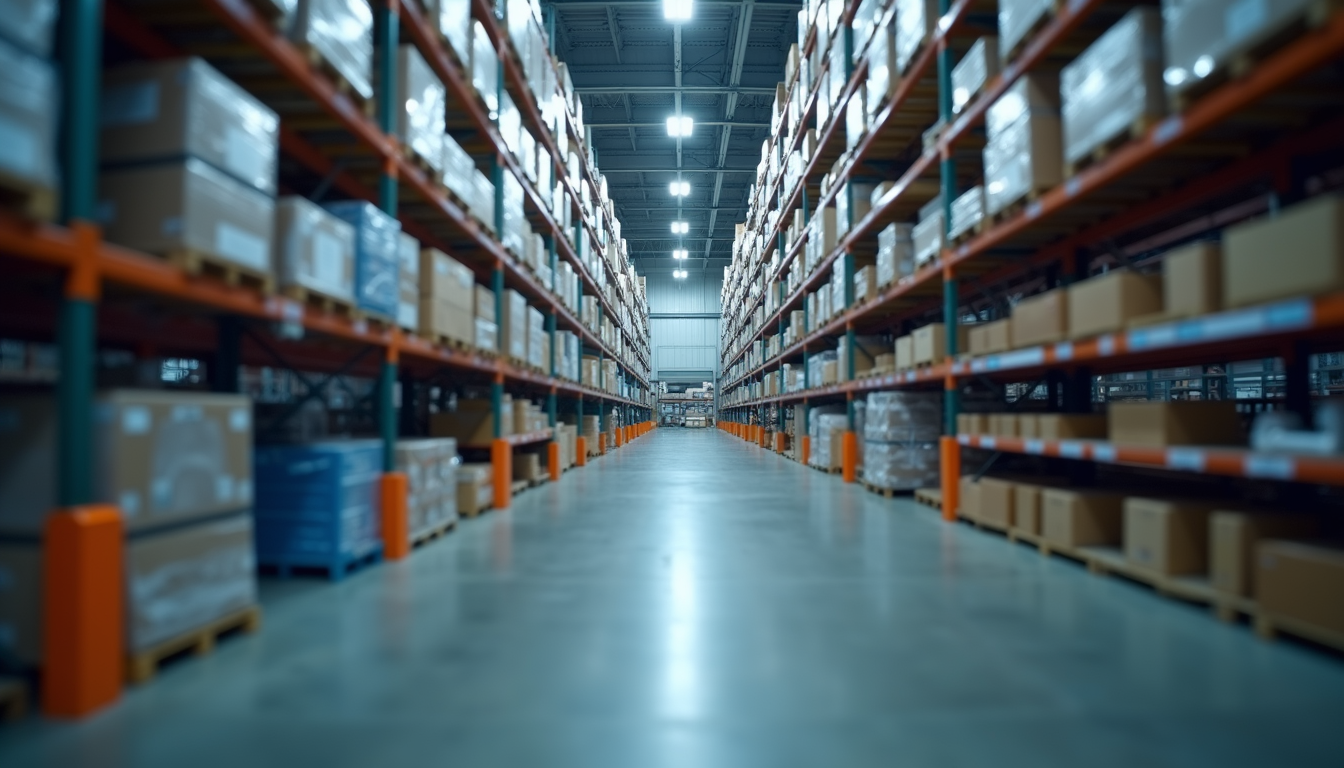
Augmented Reality (AR) is revolutionizing how manufacturing industries operate. By overlaying digital information onto the physical world, AR enhances the efficiency, accuracy, and safety of manufacturing processes. This technology is no longer a futuristic concept but a practical tool that is reshaping production lines, maintenance, and training. In this article, we explore the profound impact of AR on manufacturing operations, practical applications, and how businesses can leverage this technology to stay competitive.
Manufacturing processes are complex and require precision. AR helps streamline these processes by providing real-time data and visual guidance directly to workers on the shop floor. For example, assembly line workers can use AR glasses to see step-by-step instructions superimposed on the components they are working on. This reduces errors and speeds up production.
Key benefits include:
A practical example is a car manufacturer using AR to guide workers through complex assembly tasks, reducing assembly time by up to 30%. This not only boosts productivity but also lowers operational costs.
In the context of manufacturing, AR stands for Augmented Reality. It refers to the technology that blends digital content with the real world to enhance the user's perception and interaction with their environment. Unlike virtual reality, which immerses users in a completely digital environment, AR adds layers of information to the physical world.
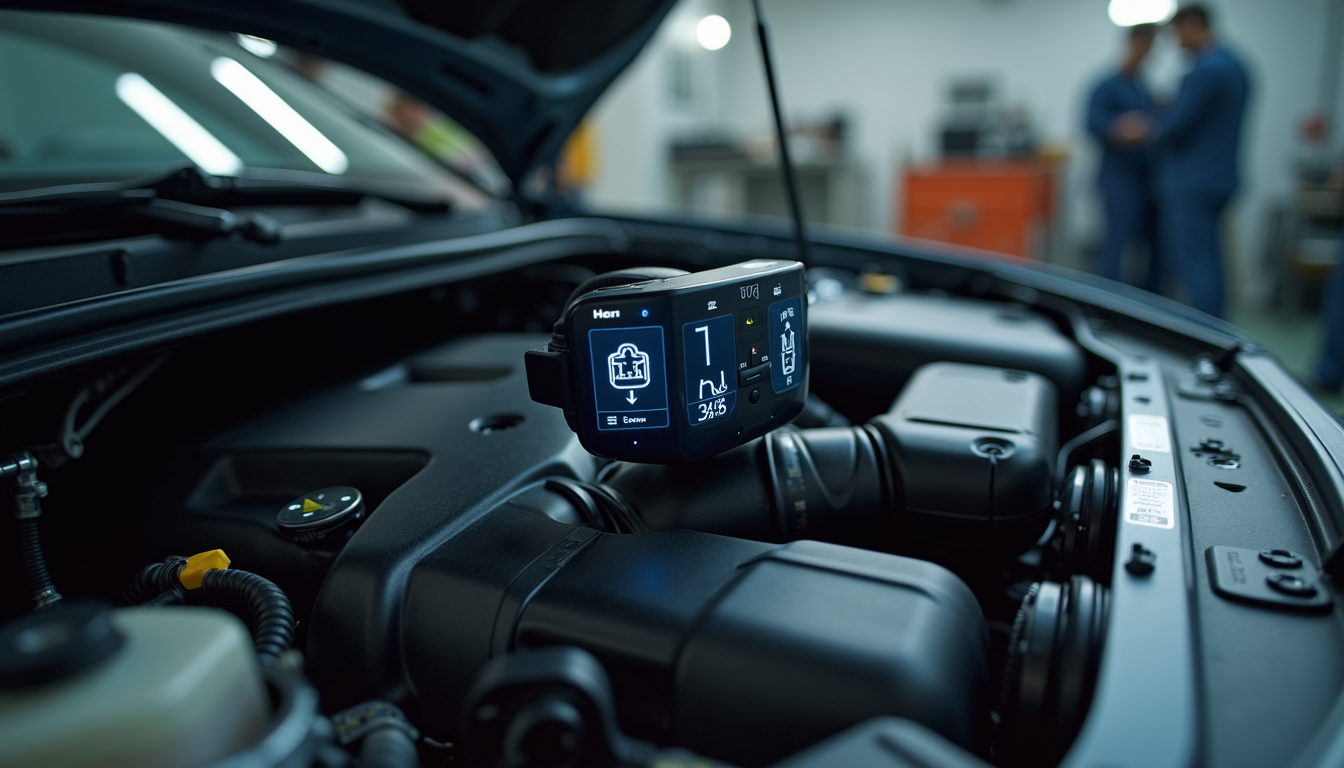
This technology is particularly useful in manufacturing because it allows workers to access critical data without interrupting their workflow. For instance, maintenance technicians can see virtual schematics overlaid on machinery, helping them identify parts and perform repairs more efficiently.
AR's role in manufacturing extends beyond just visualization. It integrates with sensors, IoT devices, and AI to provide predictive maintenance alerts, optimize workflows, and improve safety protocols.
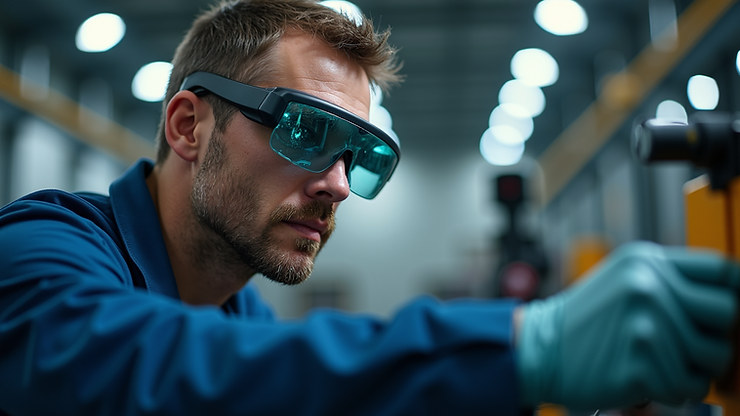
AR is being applied across various manufacturing sectors with impressive results. Here are some notable use cases:
For example, aerospace companies use AR to assemble aircraft components with extreme precision, ensuring safety and compliance with regulations. Similarly, electronics manufacturers employ AR to test circuit boards and identify faults faster.
To explore more about how AR is integrated into manufacturing, visit AR in manufacturing operations.

While AR offers many benefits, manufacturers face challenges in adopting this technology:
To overcome these challenges, companies should start with pilot projects focusing on high-impact areas. Collaborating with experienced AR solution providers can ease integration and customization. Additionally, involving workers early in the adoption process helps address usability concerns and increases acceptance.
Actionable recommendations:
The future of manufacturing is closely tied to advancements in AR technology. As hardware becomes more affordable and software more sophisticated, AR will become a standard tool on the factory floor. Emerging trends include:
Manufacturers who embrace AR early will gain a competitive edge by improving operational efficiency, reducing costs, and enhancing product quality. The integration of AR with other Industry 4.0 technologies will unlock new possibilities for smart factories.
By investing in AR, companies can future-proof their operations and meet the evolving demands of the global market.
Augmented Reality is no longer just an innovation but a necessity in modern manufacturing. Its ability to enhance precision, speed, and safety makes it a powerful tool for transforming industrial operations. Embracing AR manufacturing processes today will pave the way for smarter, more efficient factories tomorrow.