VPS


Augmented Reality (AR) technology has transformed the way we interact with the world around us. One of the most exciting advancements in this field is AR spatial positioning, which allows digital content to be precisely placed and anchored in the physical environment. This capability enhances spatial awareness, making AR applications more immersive and practical across various industries.
AR spatial positioning refers to the technology that enables devices to understand their position and orientation in the real world. This understanding allows virtual objects to be accurately overlaid on physical spaces, maintaining their position even as users move around.
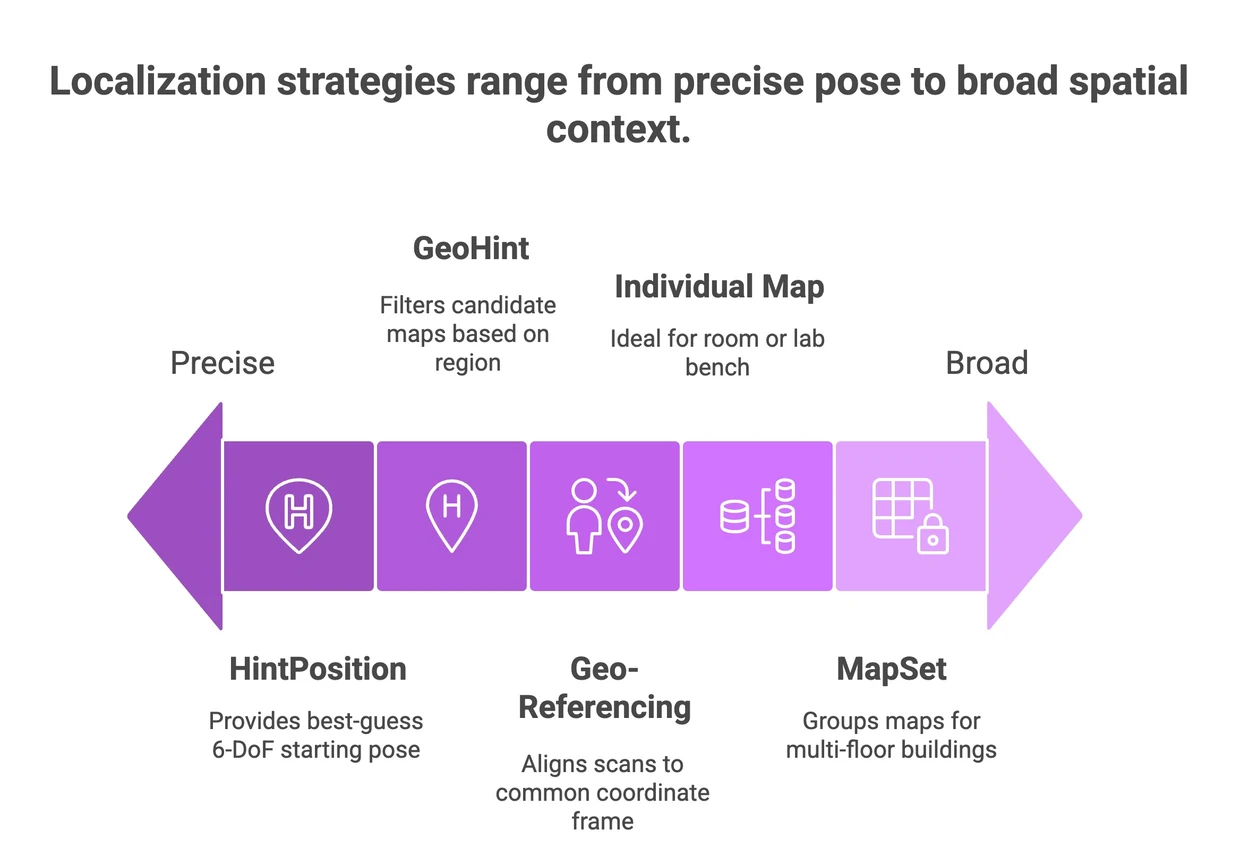
There are several methods used to achieve spatial positioning:
These techniques work together to create a seamless AR experience where virtual elements feel anchored and natural.

Accurate spatial positioning is crucial for delivering meaningful AR experiences. When virtual objects stay fixed in place relative to the real world, users can interact with them more intuitively. This leads to several benefits:
For example, in retail, AR spatial positioning allows customers to visualize furniture in their homes before purchasing, ensuring the size and placement are just right.
The potential uses of AR spatial positioning span many sectors. Here are some notable examples:
Each application benefits from the ability to maintain spatial accuracy, which increases trust and usability.

An AR visual positioning system leverages computer vision and machine learning to recognize and map the environment in real time. It uses cameras to capture visual features such as edges, textures, and landmarks. These features are then matched against a pre-built map or processed on the fly to determine the device’s exact location.
Key components include:
This approach allows for high precision even in GPS-denied environments like indoors or urban canyons.
If you are considering integrating AR spatial positioning into your applications, here are some practical recommendations:
By following these guidelines, developers can create AR experiences that are both reliable and engaging.
As technology advances, AR spatial positioning will become even more precise and accessible. Emerging trends include:
These developments will expand the possibilities of AR, making spatial awareness a fundamental part of how we interact with digital and physical worlds.
AR spatial positioning is revolutionizing how we perceive and interact with our surroundings. By anchoring virtual content accurately in the real world, it enhances spatial awareness and opens new doors for innovation across industries. Whether for navigation, training, or entertainment, the power of precise positioning is transforming AR from a novelty into a practical tool for everyday use.